

How high should we regard curiosity in life?
Global Perspective
Variations in curiosity and its societal implications
Ever wondered why your grandma keeps asking if you have a boyfriend/girlfriend (even though you told her you’re not interested, like, a dozen times)? Or why your coworker seems terrified to ask the boss a simple question?
It all boils down to something fascinating: curiosity isn’t the same everywhere you go!
Think about it: curiosity is like a language. In some cultures, it’s all about asking “why?” and getting to the bottom of things. In others, respecting tradition and following the rules is the name of the game. There’s no right or wrong answer, but it can definitely lead to some interesting situations (like that time you accidentally insulted your host by asking too many questions about their family – oops!).
Here’s the cool part: understanding these cultural differences can be a superpower. Imagine traveling the world and knowing exactly how to spark someone’s curiosity (or how to show respect for their traditions). Pretty neat, right?
So, how does this play out in real life? Well, in some cultures, kids are encouraged to question everything, while others emphasize obedience and following the lead of elders. This can shape how people approach learning, problem-solving, and even innovation. Pretty mind-blowing, huh?

While asking ‘Why?’ can often seen as contempt, we need to adjust the sales of civilization to rather see it as a super power.
Curiosity Around the World
A Passport to a Different kind of Adventure
But curiosity isn’t just about individuals – it shapes whole societies! Think about it: cultures with a strong emphasis on curiosity are often at the forefront of scientific discovery and artistic expression. On the other hand, societies that discourage questioning can struggle to adapt and change.
The good news? Curiosity is contagious!
By embracing cultural exchange and sharing stories, we can all learn from each other and expand our horizons. Museums, libraries, and community centers can be like playgrounds for curiosity, fostering a love of learning and appreciation for different ways of knowing the world.
So, the question is: what are you curious about when it comes to other cultures? Have you ever had a cultural misunderstanding related to curiosity? Share your experiences (and your tips for navigating curiosity across cultures) in the comments below! Let’s turn up the global curiosity dial and see where the adventure takes us! After all, the world is a giant book waiting to be explored, and a little curiosity is the best passport you could ask for.

If the most constant thing in the universe is change, then curiosity always leads to achievement.
Culture Clash
How Your Background Shapes Your Curiosity
(and Why That’s Awesome!)
Ever notice how your grandpa can fix anything with a roll of duct tape and a screwdriver, but gets baffled by your latest social media app? Or how your friend from another culture finds beauty in everyday rituals you might take for granted? It all boils down to something fascinating: culture shapes how curious you are and how you explore the world.
Here’s the thing most people forget: curiosity isn’t like a favourite pair of sneakers – one size doesn’t fit all. In some cultures, it’s all about asking questions and getting to the root of things. Think science fairs and lively debates – the more you question, the better! In other cultures, respecting elders and traditions is key. Imagine learning from a master weaver, soaking up their wisdom through observation and meticulous practice. Both approaches can lead to amazing discoveries, just in very different ways.
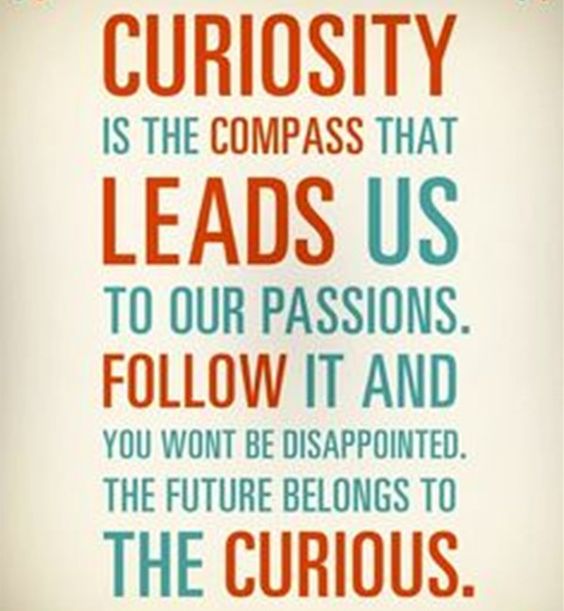
Are you curious as to how you are going to own your future?!
Now, I’ll admit, it can get confusing sometimes. Take a well-known cultural landmark, like the Blyde River Canyon Nature Reserve in South Africa. Imagine yourself standing there, captivated by the breathtaking scenery. As someone with a curious mind, you might be itching to ask a million questions about the geology or the local legends. But in some cultures, silence and reverence are the most respectful ways to appreciate such sacred places.
Thought Experiment: Let’s explore this further. Imagine you’re visiting this stunning location with someone from a different cultural background. Perhaps they come from a culture that emphasizes quiet contemplation. How might your curiosity clash – or click – with their approach? Could you learn something new from their way of experiencing this place?
Here’s the beauty of cultural exchange: by understanding these differences, we can appreciate other ways of knowing and exploring the world. Curiosity can still lead you to amazing discoveries, even if you have to approach them with a bit more subtlety.
The coolest part? Cultural diversity is like a giant global brainstorming session. The more cultures share ideas and perspectives, the more creative and innovative we become. Imagine an artist raised in a community-focused village in Africa collaborating with a tech entrepreneur from Silicon Valley – the possibilities are endless! This cross-pollination of ideas fuels progress in every field, from art and music to science and technology.
So, the question is: how has your culture shaped your curiosity?
Have you ever had a moment where you clashed (or clicked) with someone from a different background because of curiosity? Share your experiences with the curious! Let’s create a global map of curiosity, celebrating the rich tapestry of human exploration and discovery. After all, the world is a giant museum of cultures waiting to be explored, and a little curiosity is the best guide you could ask for.
And hey, maybe your curiosity will even lead you to discover a hidden gem or two, even at a well-known landmark!