
Tracing Historical Evolution
Impact on Human Development
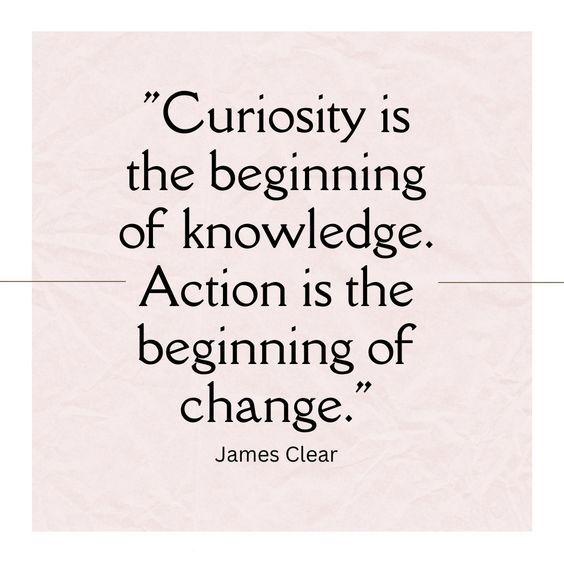
James Clear on Curiosity
Ever wonder why cave paintings of mammoths and bison adorn ancient walls? Spoiler alert: it wasn’t just prehistoric interior decorating. Those paintings are a testament to the very first spark of curiosity – our ancestors scratching their heads and trying to understand the world around them.
Curiosity
The Original Rebel with a Cause
Here’s the thing that might surprise you: curiosity isn’t just a human thing. Turns out, even chimps and crows are curious critters, poking and prying at objects to figure out what makes them tick. But humans took it a step further. We weren’t content with just poking mammoths (probably a good call) – we wanted to understand the universe, the stars, the whole shebang.
This insatiable curiosity propelled us forward on a grand adventure that’s still unfolding today. Think about it: the pyramids weren’t built by folks content with mud huts. The drive to explore, discover, and understand the unknown fueled human progress for millennia. From the ancient Egyptians peering at the night sky to the Renaissance artists dissecting human anatomy, curiosity has been the rebel with a cause, pushing boundaries and challenging the status quo.
Now, I wouldn’t be your trusty guide on this expedition if I didn’t share a personal story. Remember that history class I mentioned before? Turns out, the key wasn’t memorizing dates – it was sparking curiosity. One day, the teacher mentioned hieroglyphics, those squiggly symbols on Egyptian tombs. Suddenly, history wasn’t a list of boring kings – it was a secret code waiting to be cracked! That’s the power of curiosity, folks – it can turn dusty textbooks into treasure maps leading to forgotten civilizations.
So, how did this historical dance of curiosity play out? Well, buckle up, because it’s an epic tale. Imagine a timeline stretching back millennia. Early explorers like the Vikings, fueled by curiosity, ventured across uncharted seas, forever changing the map. The Renaissance? A hotbed of curiosity, with brilliant minds like Da Vinci questioning everything from anatomy to engineering. Fast forward to today, and curiosity is still the driving force behind everything from space exploration to the latest medical breakthroughs.
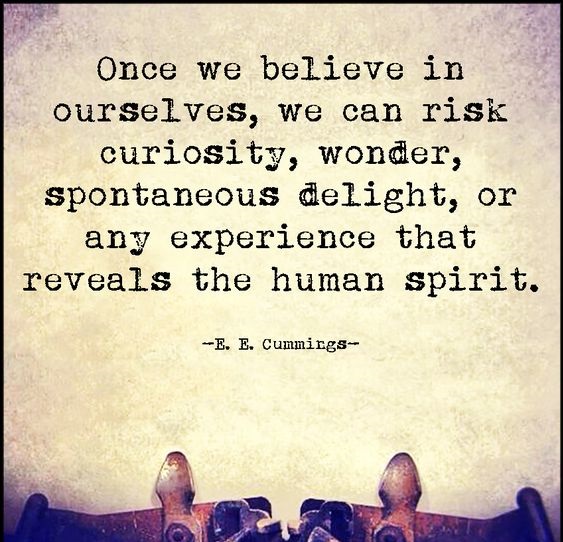
Lest we forget,
our privilege can have consequences on our freedom to be curious. Those with preciously little, will believe preciously anything it is also said.
But here’s the twist:
curiosity isn’t always sunshine and rainbows. Sometimes, it leads us down dark alleys – questioning established norms can be uncomfortable. However, it’s this very questioning that sparks progress.
So, the question remains: where will curiosity take YOU? Think back to that time you were a kid, eyes wide with wonder, asking “why?” a million times a day. Reclaim that spark! Pick a historical period that piques your interest, or a scientific mystery that keeps you up at night.
The adventure awaits – what will you choose to explore?
Examining Early Philosophy & Science
Perspectives on Curiosity
Remember that time you were a kid and kept asking “why?” until your parents wanted to tear their hair out? Turns out, that wasn’t just an annoying phase – it was you, channeling the spirit of the great philosophers!
Here’s the thing that might surprise you: philosophers haven’t always been stuffy old guys in beards (although, some were definitely rocking some epic facial hair). Back in ancient Greece, there were these brilliant minds like Socrates, Plato, and Aristotle who were obsessed with one thing: figuring out how the world works, and guess what fueled their obsession? Curiosity, of course!
Socrates, the original question-asker, believed curiosity was the key to unlocking your true potential. He was all about that “know thyself” motto – basically, the more you question things and explore your own thoughts, the better you understand yourself (and maybe even annoy your parents a little less… maybe).
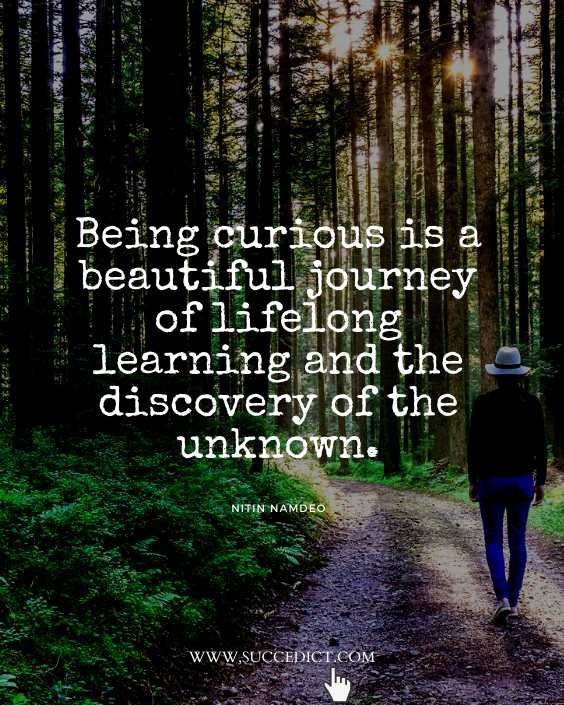
If travel rids us of our prejudices, perhaps curiosity is the ultimate navigator to just being a decent human being?
Curiosity
The Original Truth-Seeker
(and Maybe a Little Troublemaker)
Plato took things a step further with his famous “cave allegory.” Imagine a group of people chained in a cave, only seeing shadows on the wall. Curiosity, according to Plato, is like breaking free from those chains and venturing out into the real world, full of wonder and new ideas. Pretty cool, right?
Now, Aristotle wasn’t as big on the fancy metaphors, but he had a point too. He believed curiosity was essential for making good choices. Think about it: if you never question things or explore different options, how can you make informed decisions? Curiosity, according to Aristotle, is the key to becoming a wise and ethical person.
But wait, there’s more to the story! Curiosity wasn’t just a philosophical playground – it was the spark that ignited the scientific revolution. Thinkers like Francis Bacon and René Descartes were all about asking questions and challenging established beliefs. Bacon was like the original “hands-on learner,” insisting we don’t just sit around and think; we gotta get out there and experiment!
Descartes, well, he was a bit of a skeptic (in the best way possible). His motto “I think, therefore I am” basically means you gotta question everything, even your own existence (don’t worry, you’ll probably still be here after that existential crisis). This questioning nature, fueled by curiosity, is what led to groundbreaking scientific discoveries.
So, what does this all mean for you, intrepid explorer? Well, it means curiosity isn’t just some childhood quirk – it’s a superpower! It’s the key to unlocking knowledge, making wise choices, and maybe even shaking things up a bit (like those pesky cave dwellers).
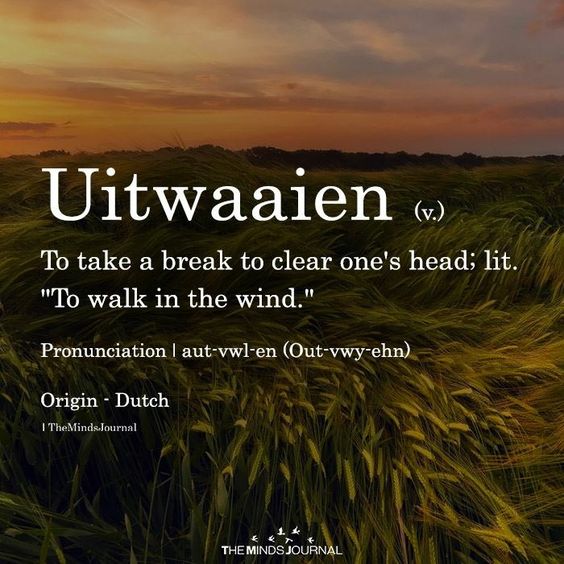
Out where the wind blows, our thoughts become like clouds…. and that space in between… where curiosity births.
The question is: are you ready to unleash your inner truth-seeker (and maybe a little troublemaker)?
Think about the things you’ve always been curious about, but maybe haven’t had the time to explore. Is there a philosopher whose ideas pique your interest? A scientific mystery that keeps you up at night? Let’s delve deeper together in the next section – the psychology of curiosity awaits!
So, tell me, what burning questions do you have?